Important note: This is educational material and does not replace diagnosis, psychotherapy, or medical treatment. If symptoms are severe, prolonged, or accompanied by a risk of harm to yourself or others, violence, threats, or an inability to stay safe, seek help from a mental health professional or emergency services.
Practical takeaway
- Natural anxiety is not the same as an anxiety disorder; the key criteria are intensity, duration, controllability, and its impact on daily life.
- Anxiety symptoms can be cognitive, physical, or behavioral; such as persistent worry, palpitations, muscle tension, or avoidance.
- If anxiety leads to extensive avoidance, panic attacks, impaired functioning, or self-medication with drugs and substances, a professional assessment is important.
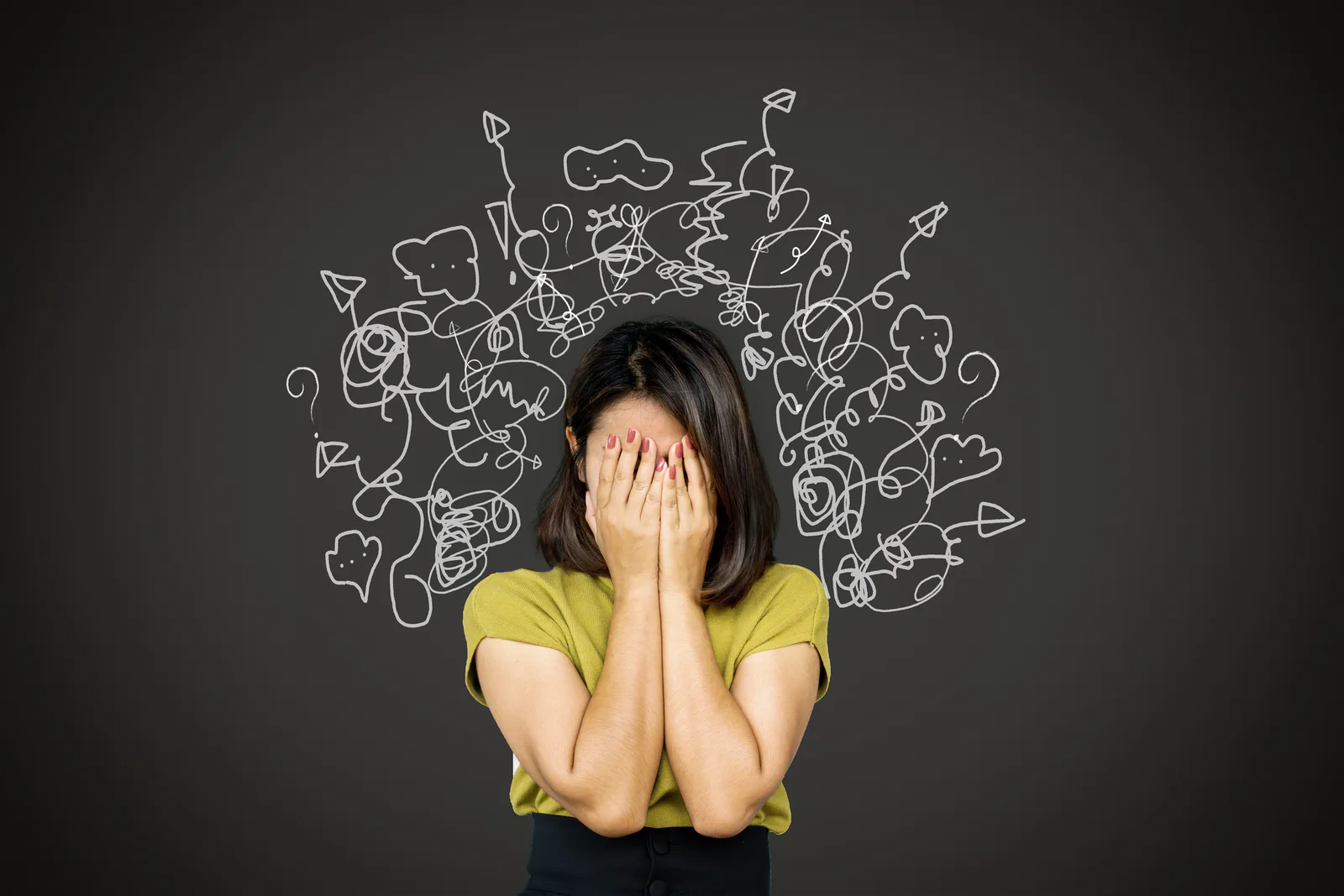
Anxiety is a natural reaction to danger, ambiguity, or pressure. Before a test, an important decision, or a difficult conversation, the body may show increased arousal. But anxiety requires closer attention when it is out of proportion to the situation, lasts longer, is harder to control, or interferes with daily life.
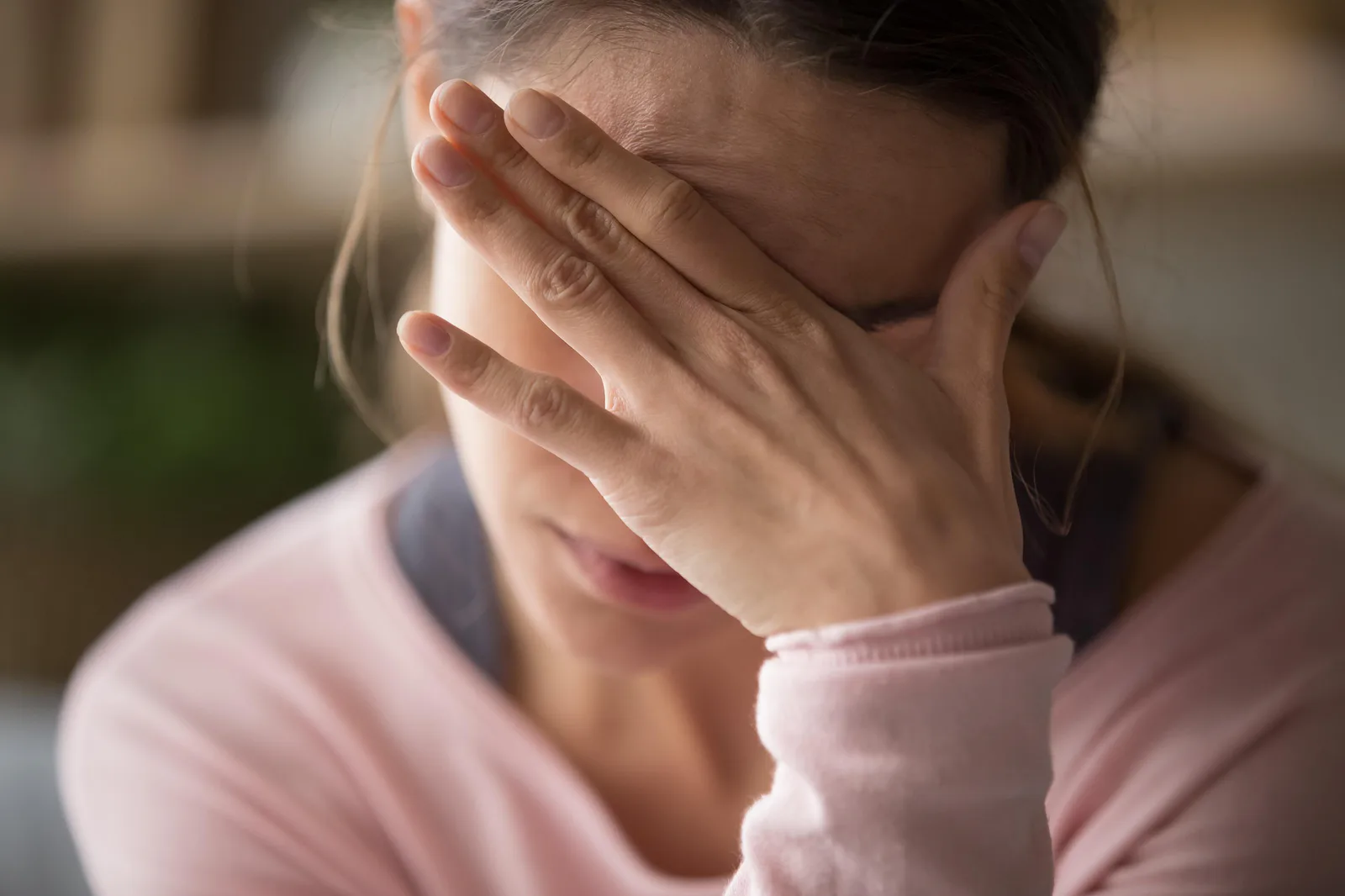
What is the difference between natural anxiety and anxiety that requires assessment?
Natural anxiety usually begins with a specific situation, subsides after the situation ends, and does not impair the ability to perform daily tasks. But when worry becomes excessive, hard to control, and long-lasting or leads to avoidance of work, school, relationships, driving, phone calls, or social situations, it is better to take it more seriously and examine it.
Signs that should be taken seriously
- Severe or persistent worry that is hard to control.
- Avoidance of usual situations such as social engagements, driving, phone calls, or work responsibilities.
- Physical symptoms such as palpitations, tremors, muscle tension, sweating, nausea, headache, or shortness of breath.
- Disturbances in sleep, concentration, decision-making, or working memory.
- Sudden episodes of fear or panic that are accompanied by a feeling of losing control.
- A constant need for reassurance from others or repetitive checking.
- Using alcohol, drugs without a prescription, or self-harming behaviors to calm down.
Anxiety doesn’t always look the same.
Some people experience anxiety more in thoughts; their mind keeps replaying bad scenarios. Others feel it in the body, such as chest tightness, palpitations, or headaches. Some people hide anxiety behind perfectionism, excessive control, overactivity, or procrastination.
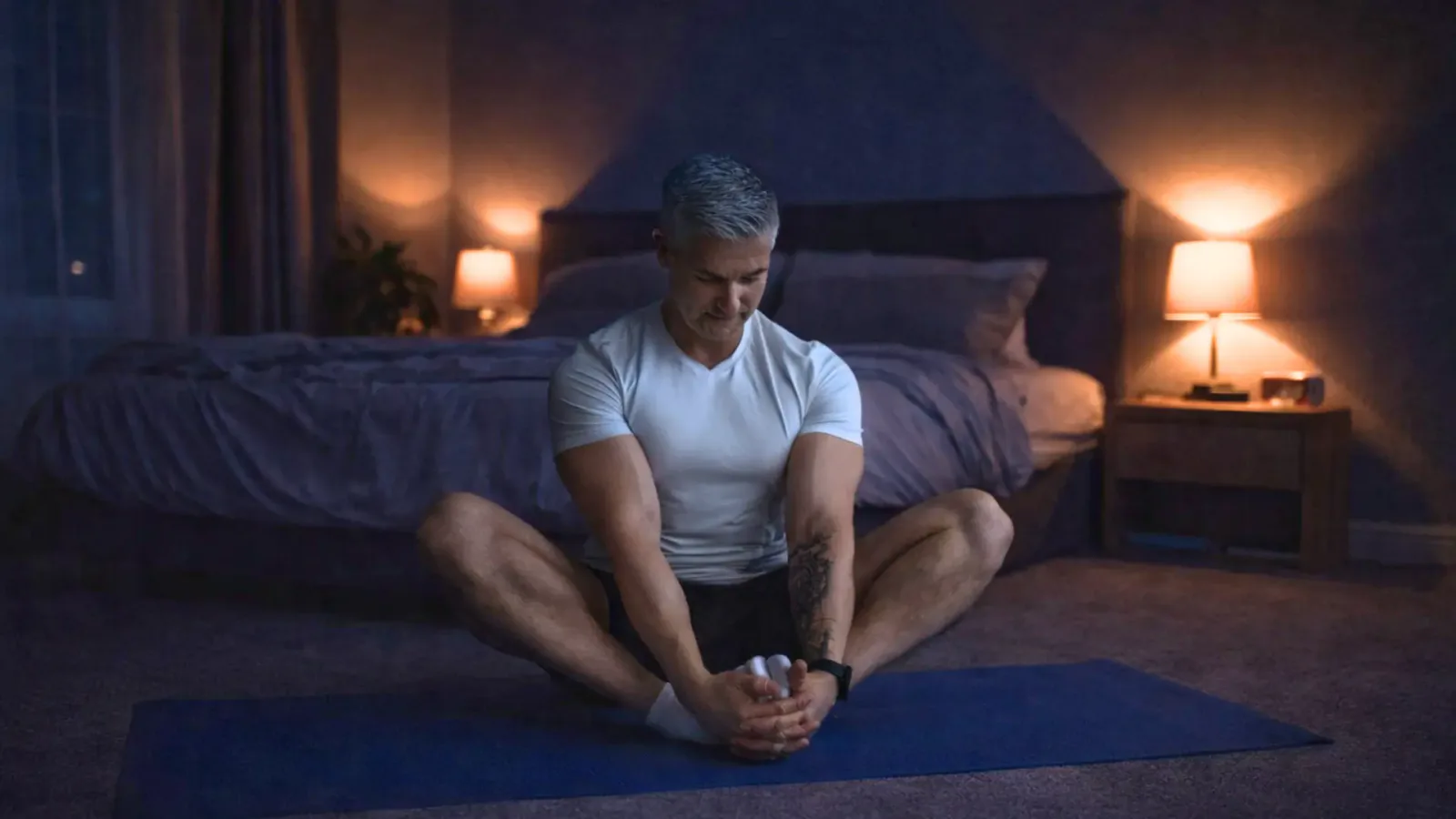
A few small steps for initial management.
- Naming the experience: tell yourself, 'I'm anxious right now, not that there is necessarily an imminent danger.'
- Body regulation: a few slow breaths, muscle stretches, or a short walk can reduce the intensity of arousal.
- Reducing avoidance: if a task is safe but triggers anxiety, break it into smaller steps.
- Recording patterns: note the time, triggers, dominant thoughts, and your responses to make the anxiety cycle clearer.
- Reducing triggering stimuli: sleep deprivation, excessive caffeine, exhausting news, and daily disorganization can increase anxiety.
Why does avoidance keep anxiety going?
Avoidance provides short-term relief, but in the long term it reinforces the danger signal in the mind. Each time we escape from a safe yet anxiety-provoking situation, the brain learns that the situation was really dangerous. For this reason, in many anxiety treatments, gradual and safe exposure to situations is part of the treatment program.

When is it essential to see a specialist?
If anxiety lasts several weeks, disrupts work or academic performance, leads to withdrawal from relationships, is accompanied by repeated panic attacks, or you rely on alcohol, medication without a prescription, or harmful behaviors to calm down, it is best to seek help from a psychologist, psychiatrist, or physician.
There are effective treatments.
There are effective treatments for anxiety disorders. Approaches such as cognitive-behavioral therapy can help identify anxious thoughts, reduce avoidance, and practice body-regulation skills. In some cases, a professional may also suggest pharmacological treatment. The choice of treatment depends on the type of anxiety, the severity of symptoms, physical conditions, and the individual's preferences.
Frequently asked questions
Do palpitations mean I have a heart problem?
Palpitations can occur with anxiety, but any new, severe, or worrying physical symptom should first be evaluated medically. After ruling out a physical cause, you can work with a mental health professional on the cycle of anxiety.
Should I wait for it to get better on its own?
If the anxiety is mild and situational, self-help skills may help. But if it disrupts daily functioning or is escalating, getting help sooner usually shortens the path to recovery.
Resources for further reading
- World Health Organization — Anxiety disorders
- National Institute of Mental Health — Generalized Anxiety Disorder
- NHS — Anxiety, fear and panic